

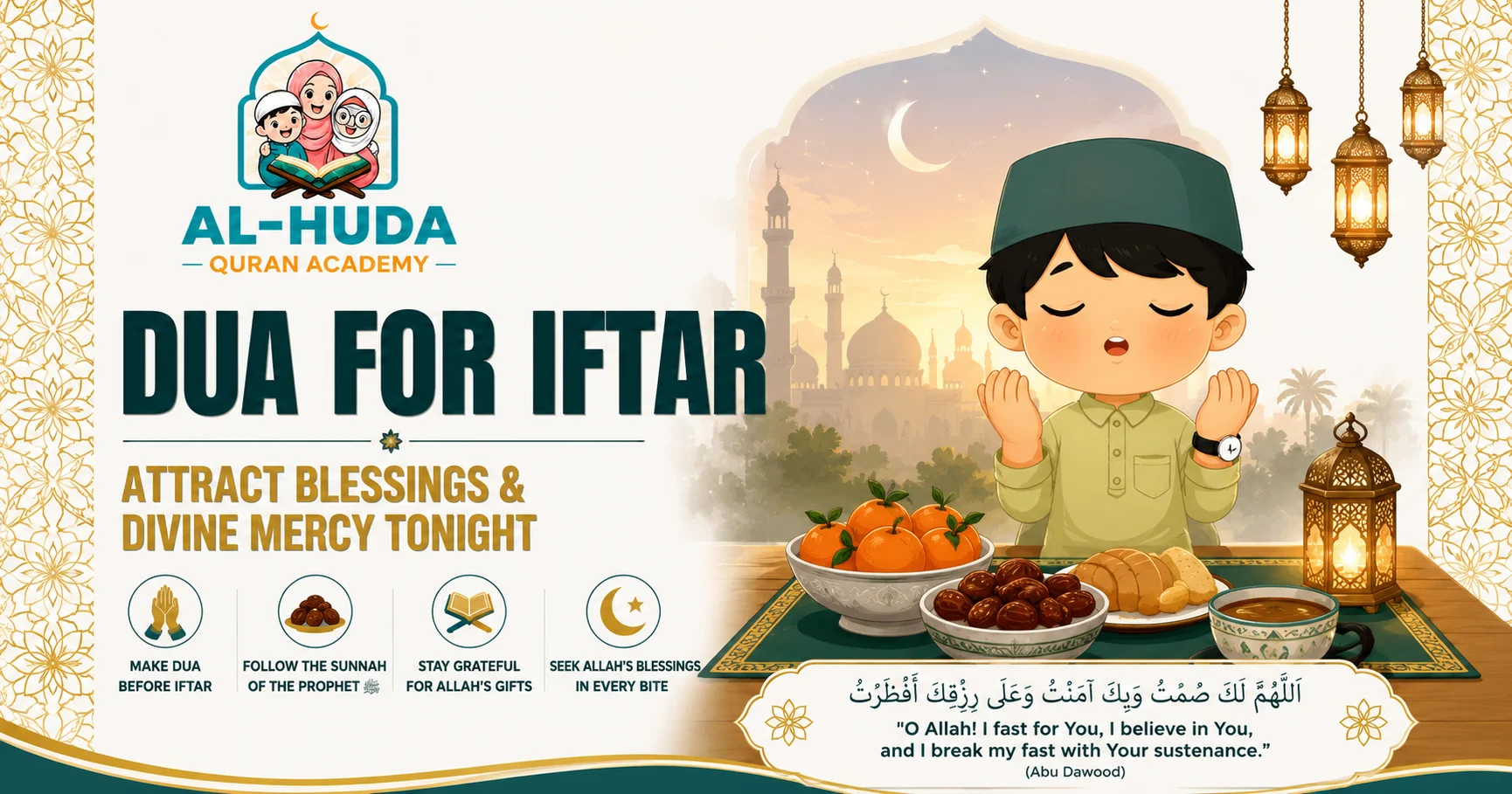
Ramadan is a month of spiritual rejuvenation, self-discipline, and closeness to Allah. Among its many beautiful rituals, Iftar, the moment when Muslims break their fast, holds a very special place. But have you ever thought about why that particular moment feels so powerful? It’s because the time of breaking the fast is a moment filled with divine mercy and endless blessings. The fasting person has been patiently abstaining from food, drink, and worldly distractions from dawn till sunset, making their heart and soul a fertile ground for acceptance of prayers. This is why reciting a sincere dua for iftar at that moment is highly rewarding and spiritually uplifting.
What is Iftar?
Iftar is simply the meal with which Muslims end their daily fast during Ramadan. Traditionally, it begins with the consumption of dates and water, following the practice of Prophet Muhammad (PBUH). But beyond the meal, Iftar is a sacred moment — a spiritual doorway to seek Allah’s forgiveness, mercy, and blessings.
Why is Iftar Special in Ramadan?
The beauty of Iftar lies not just in quenching hunger but in the spiritual significance it carries. This is a time when Allah’s mercy descends abundantly, sins are forgiven, and prayers are more likely to be accepted. That’s why saying a dua for Iftar is not just a ritual; it’s a golden opportunity to ask for your heart’s desires and spiritual upliftment.
The Significance of Dua at Iftar
Discover why making dua at Iftar is a powerful spiritual practice that attracts Allah’s mercy and blessings.
Connecting with Allah at the Moment of Breaking Fast
Imagine fasting all day and reaching the final moment of Iftar. Your hunger and thirst aren’t just physical; they remind you of your reliance on Allah for sustenance and strength. By making dua for Iftar, you are acknowledging Allah’s grace, expressing gratitude, and forming a deep, personal connection. It’s a conversation with the Almighty at a time when hearts are open, humble, and receptive.
Spiritual Rewards of Making Dua at Iftar
The rewards for making dua at Iftar are immense. According to Hadith, there is a special moment during Iftar when Allah answers the supplication of His servant. This means that the dua you make at this time is not just routine; it has the potential to be immediately accepted. It’s a chance to seek forgiveness, request guidance, and attract blessings for yourself and your loved ones.
Commonly Recited Dua for Iftar
Learn the most commonly recited dua for Iftar along with its meaning to enrich your Ramadan prayers.
Arabic Text of the Dua
The most widely recited dua for Iftar is:
اللَّهُمَّ إِنِّي لَكَ صُمْتُ وَبِكَ آمَنْتُ وَعَلَيْكَ تَوَكَّلْتُ وَعَلَى رِزْقِكَ أَفْطَرْتُ
Translation and Meaning in English
This translates to:
“O Allah! I fasted for You and I believe in You, and I put my trust in You, and with Your sustenance, I break my fast.”
This dua beautifully encapsulates faith, trust, and gratitude — key ingredients for a spiritually fulfilling Ramadan.
How to Make Your Dua for Iftar More Effective
Explore practical tips to make your dua for Iftar more sincere, focused, and spiritually impactful.
Sincerity and Concentration
The first secret to an effective dua is sincerity. Your heart should be fully present, free from distraction. It’s not about repeating words mechanically but feeling them, meaning them, and truly asking from the depths of your heart.
Timing and Etiquette
The moment just before breaking the fast is ideal. Make your dua for Iftar immediately after saying Bismillah and eating a date or a sip of water. This follows the Sunnah and ensures you are spiritually aligned with the time when Allah’s mercy is at its peak.
Benefits of Reciting Dua for Iftar Regularly
Discover the spiritual, emotional, and mental benefits of reciting dua for Iftar consistently during Ramadan.
Spiritual Benefits
Making dua for Iftar consistently strengthens your relationship with Allah, increases your faith, and enhances mindfulness during Ramadan. It’s not just about asking for things; it’s about growing spiritually, purifying your heart, and feeling closer to your Creator.
Emotional and Mental Benefits
The act of dua brings peace, reduces anxiety, and provides emotional comfort. It reminds you that no matter the challenges you face, Allah’s support and mercy are always near, especially at moments like Iftar.
Recommended Practices Before Breaking Fast
Learn the recommended Sunnah practices before Iftar to prepare your body and heart for a meaningful dua for Iftar.
Eating Dates and Water – Sunnah of the Prophet (PBUH)
Following the Prophet’s tradition, start Iftar with dates and water. Dates provide instant energy, while water refreshes your body. This simple Sunnah also carries a spiritual reward and prepares your heart for sincere dua.
Performing Wudu and Preparing for Dua
Performing ablution (wudu) before Iftar is highly recommended. It not only cleanses the body but also prepares your soul to stand humbly before Allah and make heartfelt dua for Iftar.
Incorporating Dua for Iftar in Daily Ramadan Routine
Find out how to make dua for Iftar a daily habit to maximize blessings and strengthen your Ramadan routine.
Making it a Habit for Maximum Blessings
Consistency is key. Try to recite your dua for Iftar daily at the same time and in the same manner. This habit strengthens your spiritual discipline and maximizes the rewards of fasting.
Sharing Dua with Family and Friends
Sharing the dua encourages unity, spreads blessings, and creates a supportive environment for spiritual growth. Invite family members to recite together, turning Iftar into a spiritually enriching communal experience.
Common Mistakes to Avoid While Making Dua
Learn the common mistakes to avoid when making dua for Iftar to ensure your prayers are sincere and impactful.
Lack of Focus or Distraction
Avoid reciting dua for Iftar while scrolling on your phone, talking, or rushing. The moment loses its spiritual essence if your mind is elsewhere.
Impatience and Rushing Through Dua
Take your time. Speak slowly, feel each word, and reflect on its meaning. Impatience can prevent the heartfelt connection that makes dua so powerful.
Inspiring Stories of Blessings Through Dua at Iftar
Read inspiring real-life stories showing how sincere dua for Iftar brings Allah’s blessings and mercy.
Real-Life Accounts of Divine Mercy
Countless people share stories where a simple dua for Iftar brought peace, solved problems, or provided unexpected guidance. These stories remind us that Allah’s mercy is always available, especially to those who sincerely seek it.
Lessons We Can Learn and Apply Today
The key lesson is simple: seize the moment of Iftar, make sincere dua, and trust in Allah’s plan. It’s not only about asking for worldly benefits but embracing spiritual growth and divine connection.
Frequently Asked Questions (FAQs)
Yes, along with the recommended dua, you can ask for anything from your heart. Personal supplications are encouraged.
The exact moment of breaking the fast is considered one of the times when Allah’s mercy descends abundantly.
Absolutely! Children are encouraged to make dua with sincerity, even if they recite it in their own words.
You can recite it once or multiple times. The key is sincerity, not repetition.
Yes, making dua silently with full focus is perfectly acceptable and spiritually rewarding.
Conclusion
The power of dua for Iftar is immense. It is a moment to express gratitude, seek forgiveness, and request Allah’s blessings and mercy. By making dua with sincerity, following Sunnah practices, and focusing your heart, you attract divine mercy not only in Ramadan but in every aspect of life. Make it a habit, share it with loved ones, and watch how it transforms your spiritual experience.
