

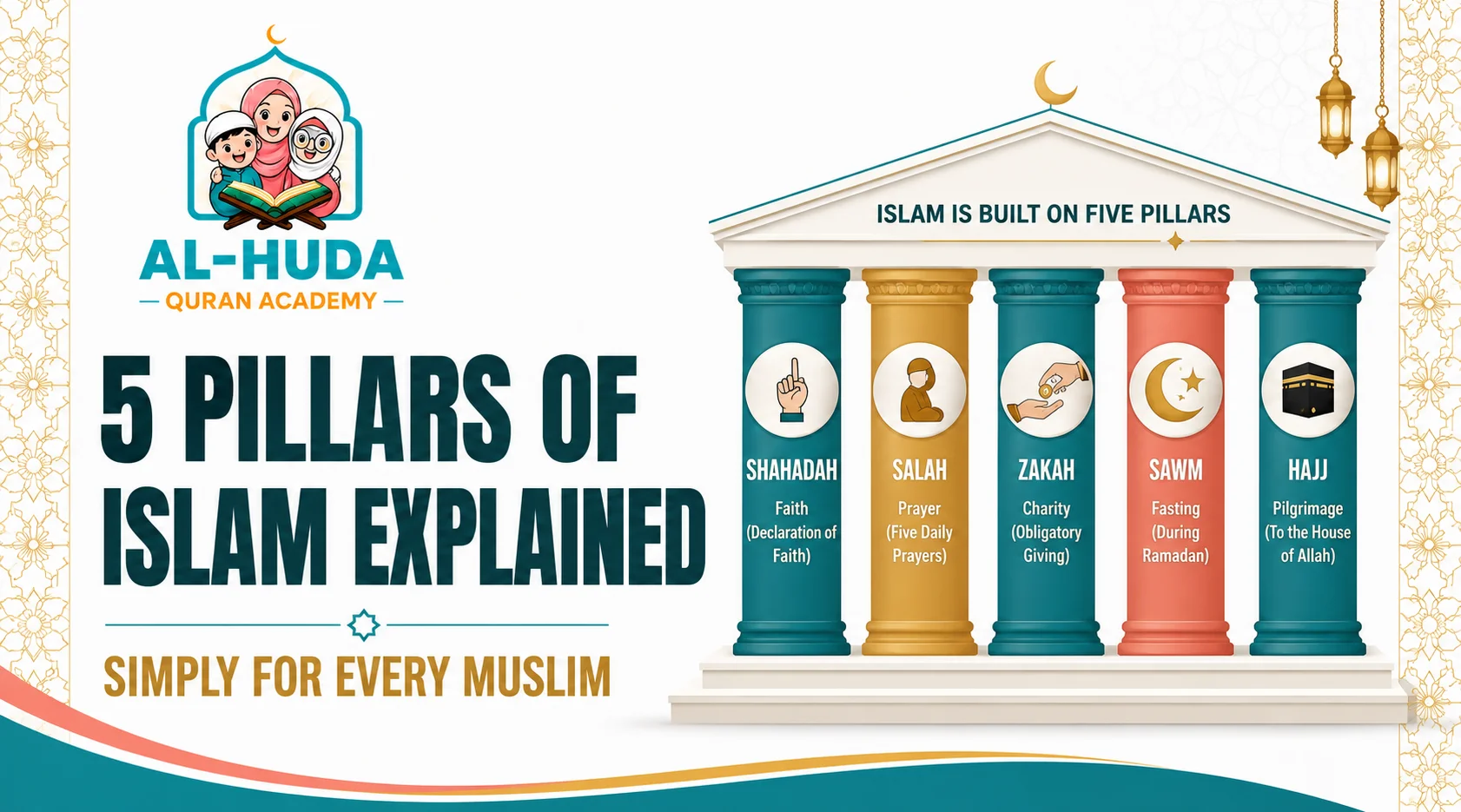
Islam is not just a religion—it’s a complete way of life. At the heart of this beautiful faith lies a strong foundation known as the 5 pillars of Islam. These pillars are like the roots of a tree: invisible at times, yet holding everything firmly together. Without them, the structure of a Muslim’s faith would simply fall apart.
Whether you are a new Muslim, a lifelong believer, or someone seeking clarity, understanding the 5 pillars of Islam in a simple and practical way can transform how you live your daily life. Let’s break them down—clearly, calmly, and in a way that truly connects with the heart.
What Are the 5 Pillars of Islam?
The 5 pillars of Islam are the five essential acts of worship that every Muslim is expected to follow. They are not random rituals; instead, they are carefully designed to build faith, discipline, compassion, and a deep connection with Allah.
Think of them like daily habits for the soul—each one strengthening a different part of your spiritual life.
The five pillars are:
- Shahada (Faith)
- Salah (Prayer)
- Zakat (Charity)
- Sawm (Fasting in Ramadan)
- Hajj (Pilgrimage)
Why the 5 Pillars of Islam Matter in Daily Life
The beauty of the 5 pillars of Islam is that they are not limited to the mosque or special occasions. They guide how a Muslim thinks, behaves, earns, gives, and even rests. From waking up for Fajr prayer to helping the poor through Zakat, these pillars shape everyday decisions.
They bring balance—between worship and work, spirituality and responsibility.
The First Pillar of Islam – Shahada (Faith)
The First Pillar of Islam – Shahada (Faith) is the sincere declaration that affirms belief in the oneness of Allah and acceptance of Prophet Muhammad ﷺ as His final messenger, forming the foundation of a Muslim’s faith.
Meaning of Shahada
The Shahada is the foundation of Islam. It is a simple yet powerful declaration:
“There is no god but Allah, and Muhammad ﷺ is the Messenger of Allah.”
This statement is the gateway to Islam. By sincerely believing and declaring it, a person enters the fold of Islam.
How Shahada Shapes a Muslim’s Belief
Shahada isn’t just words—it’s a lifelong commitment. It reminds Muslims that Allah alone is worthy of worship and that the Prophet Muhammad ﷺ is our guide in how to live. Every prayer, good deed, and moral choice flows from this belief.
Without Shahada, the other 5 pillars of Islam have no foundation.
The Second Pillar of Islam – Salah (Prayer)
The Second Pillar of Islam – Salah (Prayer) is the obligation of performing five daily prayers that connect a Muslim directly with Allah, strengthening faith, discipline, and spiritual awareness throughout the day.
Importance of Salah in Islam
Salah is the daily conversation between a Muslim and Allah. It is performed five times a day, acting like spiritual checkpoints that keep the heart connected to its Creator.
Just as the body needs food regularly, the soul needs Salah to stay alive.
Five Daily Prayers Explained Simply
The five daily prayers are:
- Fajr – before sunrise
- Dhuhr – midday
- Asr – afternoon
- Maghrib – just after sunset
- Isha – night
Each prayer takes only a few minutes, yet its impact lasts all day. Among the 5 pillars of Islam, Salah builds discipline, humility, and mindfulness.
The Third Pillar of Islam – Zakat (Charity)
The Third Pillar of Islam – Zakat (Charity) is the mandatory act of giving a portion of one’s wealth to those in need, purifying both wealth and heart while promoting social justice.
What Is Zakat and Who Must Pay It?
Zakat is an (obligatory) charity given by Muslims who meet a minimum wealth threshold (Nisab). It is usually 2.5% of saved wealth.
Unlike regular charity, Zakat is a duty—one of the most socially powerful 5 pillars of Islam.
Social and Spiritual Benefits of Zakat
Zakat purifies wealth and the heart. It reduces greed, spreads kindness, and ensures that no one in the community is left behind. When you give Zakat, you’re not losing money—you’re investing in the hereafter.
The Fourth Pillar of Islam – Sawm (Fasting in Ramadan)
The Fourth Pillar of Islam – Sawm (Fasting in Ramadan) is the practice of abstaining from food, drink, and sinful behavior from dawn to sunset, fostering self-discipline, empathy, and spiritual growth.
Purpose of Fasting in Islam
During the month of Ramadan, Muslims fast from dawn to sunset. This includes abstaining from food, drink, and negative behavior.
Sawm teaches self-control, patience, and empathy for those who have less.
Physical and Spiritual Wisdom of Sawm
Fasting cleanses both body and soul. It reminds Muslims that they are stronger than their desires. Among the 5 pillars of Islam, Sawm is a powerful reset button for the heart.
The Fifth Pillar of Islam – Hajj (Pilgrimage)
The Fifth Pillar of Islam – Hajj (Pilgrimage) is the sacred journey to the holy city of Makkah that every financially and physically able Muslim is required to perform at least once in their lifetime. Hajj is more than just a physical journey; it is a profound spiritual experience that symbolizes unity, equality, and devotion to Allah. During Hajj, millions of Muslims from around the world gather, dressed in simple attire, standing as equals before their Creator, leaving behind wealth, status, and worldly distinctions. This pilgrimage strengthens faith, instills humility, and serves as a powerful reminder of the transient nature of life, offering lessons that last far beyond the journey itself.
How the 5 Pillars of Islam Work Together
Each pillar supports the others. Shahada builds belief, Salah strengthens connection, Zakat spreads compassion, Sawm purifies the soul, and Hajj unites the Ummah.
Together, the 5 pillars of Islam create a complete system for a balanced and meaningful life.
Teaching the 5 Pillars of Islam to Children
Children learn best when lessons are simple, consistent, and relatable. Parents can introduce the 5 pillars of Islam through everyday routines—like praying together, giving small acts of charity, or practicing short periods of fasting. Using stories, examples, and gentle guidance helps children understand the meaning behind each pillar. This early exposure not only makes learning fun but also plants lifelong seeds of faith, shaping their spiritual growth naturally and positively.
Common Misunderstandings About the 5 Pillars of Islam
Many people mistakenly think that Islam is only about performing rituals. In reality, the 5 pillars of Islam go far beyond actions—they are designed to build strong character, self-discipline, and compassion for others. Understanding their true purpose requires learning from authentic and trusted sources, which helps clear misconceptions and allows Muslims to practice their faith with confidence, meaning, and sincerity.
Learning the 5 Pillars of Islam Online
At al-hudaquranacademy.com, we make learning Islam simple, structured, and accessible for everyone. Our online Quran and Islamic studies programs are designed to help students of all ages understand the 5 pillars of Islam clearly and authentically. Whether you are a beginner taking your first steps in faith or someone looking to refresh your knowledge, we provide step-by-step guidance, practical examples, and a supportive learning environment to build confidence and deep understanding.
Frequently Asked Questions (FAQs)
They form the foundation of a Muslim’s faith and daily practice, guiding belief, worship, and character.
Yes, when explained simply and practiced regularly, children grasp them naturally.
Yes, Salah is a daily obligation and a core pillar among the 5 pillars of Islam.
Islam provides ease. Those unable due to valid reasons are exempt or given alternatives.
You can learn authentically and easily through al-hudaquranacademy.com, which offers structured Islamic education for all ages.
Conclusion:
The 5 pillars of Islam are not a burden—they are a blessing. They give structure to faith, purpose to worship, and meaning to everyday life. When practiced sincerely, they transform ordinary routines into acts of worship.
By understanding and living these pillars, every Muslim—young or old—can walk the path of Islam with confidence, peace, and clarity.
