

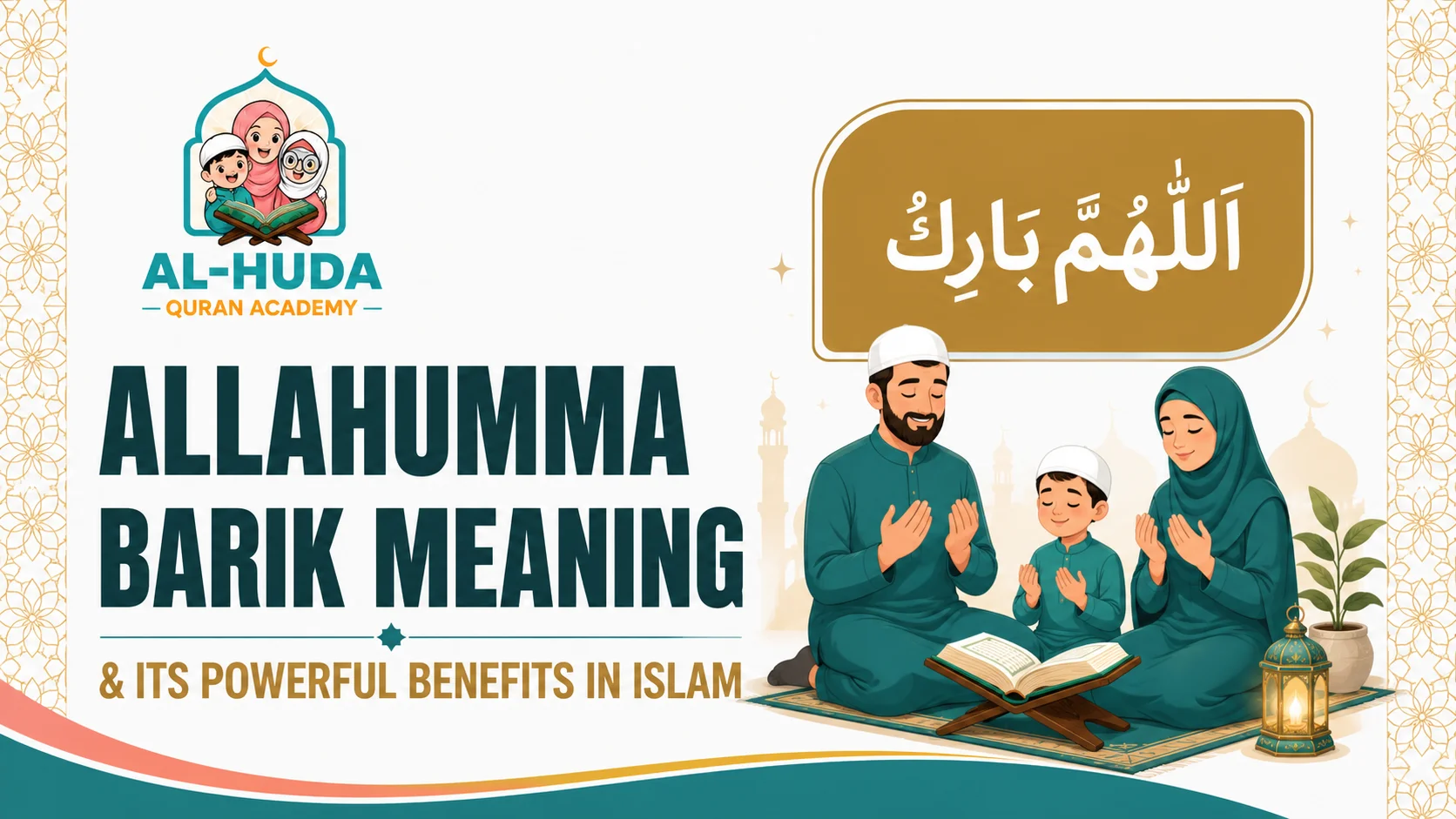
Have you ever heard someone say “Allahumma Barik” and wondered what it truly means? Maybe you’ve used it yourself when complimenting someone’s child, a beautiful gift, or an achievement, but never really paused to think about the depth of this phrase. In Islam, “Allahumma Barik” is not just a simple expression—it’s a powerful dua that invokes blessings and divine favor. From small everyday moments to significant milestones, saying Allahumma Barik can bring immense spiritual, emotional, and even material benefits into your life.
But what exactly does it mean, and how can you use it in your daily routine to maximize its impact? Let’s explore this beautiful phrase and its profound significance step by step.
What Does Allahumma Barik Mean?
“Allahumma Barik” means ‘O Allah, bless [this]’—a heartfelt prayer asking for divine blessings, growth, and goodness in someone or something.
Literal Translation
Breaking down the words, “Allahumma” means “O Allah” or “Oh God,” which is a way to directly address the Almighty. “Barik” comes from the Arabic root word “Barakah”, which refers to blessings, abundance, and divine growth. So when you say Allahumma Barik, you are essentially asking Allah to bless someone or something, to increase its goodness, and to grant it spiritual and worldly benefits.
Think of it like watering a plant—you’re not just admiring it; you’re actively praying for it to flourish and grow.
Spiritual Interpretation
While the literal meaning is simple, the spiritual essence is deeper. Saying Allahumma Barik is a way of connecting with Allah and recognizing His role in every success, beauty, or blessing. Scholars interpret it as a dua that not only brings external blessings but also fosters a sense of gratitude, humility, and mindfulness in the one who says it. It reminds us that every good thing we see or experience is ultimately from Allah, and by asking for His barakah, we acknowledge His divine power.
The Origins of Saying Allahumma Barik in Islam
The phrase “Allahumma Barik” originates from the practices of the Prophet ﷺ, who used it to invoke Allah’s blessings in daily life and special occasions.
Mention in the Quran and Hadith
While the exact phrase “Allahumma Barik” is more commonly found in Hadiths than the Quran, its essence is echoed in many Quranic verses that encourage Muslims to ask Allah for blessings. The Prophet Muhammad ﷺ encouraged saying Allahumma Barik in different situations, especially when seeing something beneficial or praiseworthy.
One famous Hadith states that the Prophet ﷺ would say “Barakallahu laka” (May Allah bless you) during significant occasions like marriages, highlighting that asking Allah for blessings has always been a part of Islamic tradition.
Historical Practice
The practice of saying Allahumma Barik is not limited to religious ceremonies. The Prophet ﷺ would use it in everyday life—when he saw a good deed, a child, or something beautiful. This demonstrates that invoking blessings through this dua is not just for special moments but also for everyday occurrences.
Situations Where Allahumma Barik is Used
“Allahumma Barik” is commonly used in weddings, celebrations, achievements, and whenever you wish to pray for blessings and goodness.
In Weddings and Celebrations
Weddings are one of the most common occasions where Allahumma Barik is said. After the nikah (marriage contract), it’s customary to pray for the couple’s happiness, love, and prosperity. Saying Allahumma Barik here is not just tradition—it’s a heartfelt dua for their lifelong barakah.
When Complimenting Someone’s Child or Achievement
Parents, teachers, and relatives often say Allahumma Barik when praising a child’s achievement or seeing their good behavior. It’s a way to ask Allah to protect the child, increase their wisdom, and help them succeed in both this world and the Hereafter.
When Seeing Something Beautiful or Beneficial
Have you ever admired someone’s house, garden, or a thoughtful gift? Instead of just saying “Mashallah,” adding Allahumma Barik asks Allah to bless it even more. It transforms admiration into a prayer for growth and positivity.
The Spiritual Benefits of Saying Allahumma Barik
Saying “Allahumma Barik” invites divine blessings, increases barakah, and nurtures spiritual growth in both yourself and others.
Attracts Divine Blessings
When you say Allahumma Barik, you are actively inviting Allah’s blessings into your life or someone else’s. It’s a powerful reminder that barakah (blessings) come only from Allah and that even small gestures can attract His favor.
Increases Barakah (Spiritual and Material Blessings)
Barakah is not just about material wealth—it’s about the quality and benefit of what you have. For instance, a small amount of food can become sufficient for a family when it has barakah. Saying Allahumma Barik can increase the goodness, usefulness, and spiritual impact of anything you pray for.
Strengthens Relationships and Goodwill
Using this phrase also fosters positive relationships. When you sincerely pray for someone else’s blessings, it creates love, trust, and goodwill. Imagine the ripple effect: one dua can brighten someone’s day, strengthen bonds, and even inspire them to pass on kindness.
The Psychological and Emotional Benefits
Reciting “Allahumma Barik” fosters gratitude, reduces envy, and promotes positive emotions and mindfulness in daily life.
Cultivates Gratitude and Mindfulness
Saying Allahumma Barik encourages you to notice the good in life and be thankful for it. It’s a simple yet profound way to practice mindfulness and recognize that every success and beauty comes from Allah.
Reduces Envy and Jealousy
Instead of feeling envious when someone else succeeds, saying Allahumma Barik shifts your mindset. You are actively wishing them goodness and inviting blessings into their life—and in turn, your heart becomes more content and peaceful.
Promotes Positive Energy Around You
Prayers for blessings carry a positive energy. Whether you say it for people, achievements, or objects, the intention behind it radiates positivity. Over time, this can create a more harmonious environment at home, work, or within your community.
How to Correctly Use Allahumma Barik in Daily Life
“Allahumma Barik” can be used in prayers, for others’ success, and to bless both material and spiritual aspects of life.
Saying it in Prayers and Duas
You can include Allahumma Barik in your personal prayers (duas) anytime you want to ask Allah for blessings in your life. For example, after completing your salah, you might say it for your family, possessions, or even your health.
Saying it for Others’ Success and Happiness
Whenever someone achieves something—graduation, marriage, promotion—saying Allahumma Barik not only expresses your joy but also prays for their continued success. It’s a simple way to spread goodwill and blessings.
Saying it for Material and Spiritual Gains
From food and belongings to knowledge and skills, Allahumma Barik can be said for both tangible and intangible blessings. It acknowledges Allah as the source of all goodness and asks Him to enhance it.
Common Misconceptions About Allahumma Barik
Many people mistakenly see “Allahumma Barik” as just a compliment, while it is actually a powerful dua with spiritual significance.
It’s Not Just a Compliment
Many people think Allahumma Barik is just a polite way to show admiration. In reality, it’s a dua with spiritual weight, asking Allah to increase goodness and protection.
It’s Not Limited to Certain Situations
Some may think it should only be used in weddings or when seeing children. Truthfully, you can say Allahumma Barik in countless everyday moments—when appreciating nature, a kind gesture, or even a skill someone possesses.
Integrating Allahumma Barik into Your Routine
Incorporating “Allahumma Barik” into your daily routine brings continuous blessings, mindfulness, and positivity to your life and loved ones.
Morning and Evening Practices
Start your day by saying Allahumma Barik for your family, home, and health. Repeat it in the evening to reflect on the blessings you received and to invite more barakah into tomorrow.
During Special Occasions and Gatherings
Birthdays, weddings, or religious celebrations are perfect times to say Allahumma Barik. It enhances the spiritual atmosphere and connects everyone in heartfelt prayer.
For Children and Family
Teach your children to say Allahumma Barik when they see something good or receive a gift. This instills gratitude, mindfulness, and a sense of connection to Allah from a young age.
Stories and Real-Life Examples
Real-life stories show how saying “Allahumma Barik” has brought unexpected blessings, happiness, and spiritual growth to people’s lives.
Famous Scholars and Their Practice of Allahumma Barik
Many Islamic scholars would routinely say Allahumma Barik for their students and community members. They emphasized that blessings multiply when shared with others through sincere dua.
Ordinary Muslims Sharing Barakah Through This Phrase
Countless Muslims have shared stories of how simply saying Allahumma Barik for someone’s child, work, or property brought unexpected blessings and peace into their lives. It’s a small phrase with monumental spiritual effects.
Frequently Asked Questions (FAQs)
It’s pronounced as “Al-lah-um-ma Ba-rik”, with emphasis on each syllable to maintain its spiritual essence.
Yes! You can say it for possessions, achievements, and skills, asking Allah to bless them with goodness and usefulness.
As often as you notice something praiseworthy, beneficial, or beautiful—there’s no limit. The more sincerely you say it, the greater the spiritual impact.
Blessings may not always be immediate, but sincere dua carries divine power. Patience and consistency amplify its effects over time.
Absolutely! Teaching children this phrase fosters gratitude, mindfulness, and a connection with Allah from a young age.
Conclusion
In short, Allahumma Barik is more than just a phrase—it’s a spiritual tool that invites Allah’s blessings, strengthens relationships, and cultivates gratitude and mindfulness. Whether for family, achievements, or simple joys, saying Allahumma Barik transforms ordinary moments into opportunities for divine favor. By integrating it into your daily life, you not only enhance the goodness around you but also align your heart with Allah’s blessings, making life richer and spiritually fulfilling.
