

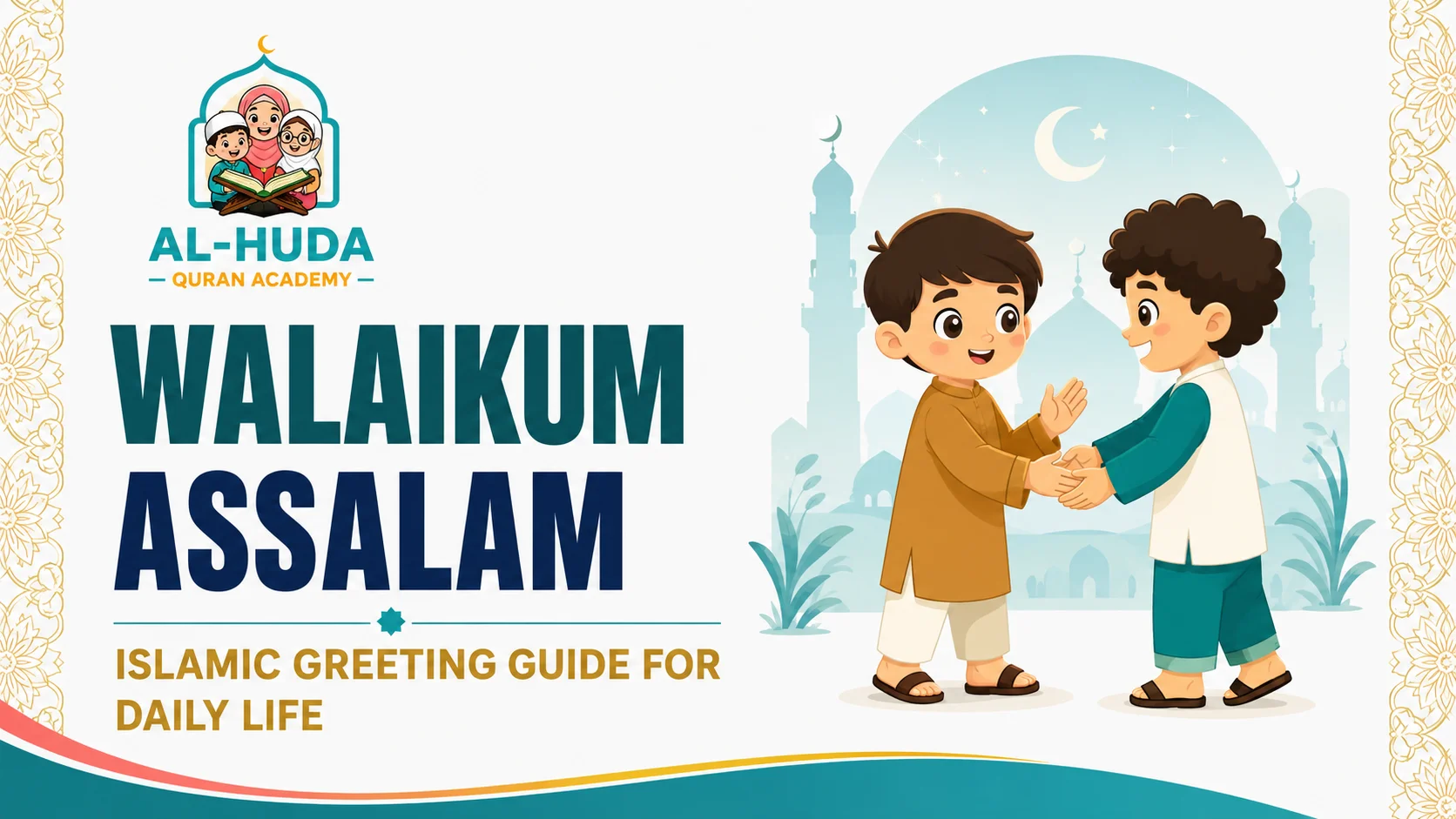
Greetings are more than just words. They are a bridge connecting hearts, a token of respect, and a reflection of your inner character. In Islam, greetings hold a special place—they are not mere social formalities but acts of worship. Every time a Muslim says “Assalamu Alaikum” or responds with “walaikum assalam”, it’s a way of spreading peace and blessings. Imagine the world if everyone greeted one another with genuine warmth—how much lighter our interactions would feel!
Islamic greetings are deeply rooted in kindness, respect, and goodwill. They remind us to start interactions with positivity, whether we meet a stranger in the street or a loved one at home. While there are several greetings in Islam, “walaikum assalam” stands out because it carries both a verbal and spiritual significance.
What Does “Walaikum Assalam” Mean?
Discover the meaning of “Walaikum Assalam” and its significance as a peaceful and respectful Islamic greeting.
Linguistic Meaning of “Walaikum Assalam”
The phrase “walaikum assalam” literally translates to “and upon you be peace.” It’s the standard response to the greeting “Assalamu Alaikum”, which means “peace be upon you.” Linguistically, it’s a concise but powerful expression of reciprocity—you return peace to the one who greeted you first.
Think of it like this: when someone hands you a gift, your polite and grateful response completes the interaction. Similarly, in Islam, greeting someone is giving a spiritual gift of peace, and “walaikum assalam” is the way to accept and reciprocate that gift.
Spiritual and Social Significance
“Walaikum assalam” is not just about words. It’s a reflection of good manners, humility, and respect. Islam emphasizes spreading peace, and by saying “walaikum assalam”, we consciously participate in that mission.
Socially, this greeting strengthens bonds. Whether it’s a neighbor, colleague, or family member, returning a greeting fosters trust and warmth. Spiritually, it’s a small act that carries immense reward. The Prophet Muhammad ﷺ said:
“You will not enter Paradise until you believe, and you will not believe until you love one another. Shall I tell you something that, if you do, you will love each other? Spread greetings of peace among yourselves.” (Muslim)
This Hadith highlights that greetings are more than etiquette—they are a step towards fostering love, harmony, and faith.
When to Use “Walaikum Assalam”
Learn the appropriate times and situations to respond with “Walaikum Assalam” in daily life and Islamic interactions.
Responding to “Assalamu Alaikum”
The most common situation to use “walaikum assalam” is when someone greets you with “Assalamu Alaikum.” It’s like a social contract: they initiate peace, and you return it. But here’s a tip—don’t just say it mechanically. Say it with sincerity, make eye contact, and even add a smile. It’s amazing how a small gesture can uplift someone’s day!
Situations in Daily Life
You might wonder, “Do I really need to say it in every situation?” The answer is yes, wherever it is appropriate. From entering a mosque to meeting your coworker, from calling a friend on the phone to starting a conversation with a neighbor, saying “walaikum assalam” spreads blessings and keeps you connected to the Sunnah.
Even in modern contexts, like replying to a message or an email from a fellow Muslim, it’s appropriate to write “Walaikum Assalam”. The essence remains the same—it’s about returning peace with respect.
How to Properly Say “Walaikum Assalam”
Learn the appropriate times and situations to respond with “Walaikum Assalam” in daily life and Islamic interactions.
Pronunciation Tips
Pronouncing “walaikum assalam” correctly is simple once you break it down:
- Wa-lai-kum (like “wah-lie-kum”)
- As-sa-lam (like “ass-ah-lam”)
Take your time to say it clearly, especially if you’re teaching children or newcomers. Proper pronunciation shows care and respect for the greeting and the tradition behind it.
Etiquette and Mannerisms
Saying “walaikum assalam” is not just verbal—it’s behavioral. Follow these simple etiquettes:
- Face the person you are greeting.
- Maintain a gentle, respectful tone.
- Smile warmly—it amplifies the greeting.
- Add “wa rahmatullah” or “wa barakatuh” for extra blessing.
Remember, greetings in Islam are both spoken and lived. A mechanical greeting without sincerity loses its value.
The Rewards of Greeting in Islam
Explore the spiritual and social rewards of exchanging greetings like “Walaikum Assalam” in Islam.
Hadith References
Islamic teachings emphasize the spiritual weight of greetings. The Prophet ﷺ said:
“When one of you meets his brother, let him greet him with peace.” (Bukhari)
Another Hadith mentions that exchanging greetings brings immense reward and even acts as a shield from evil. Every “walaikum assalam” is a small but meaningful act in the eyes of Allah.
Spiritual and Social Benefits
Spiritually, returning a greeting earns reward and spreads divine peace. Socially, it builds connections, resolves tensions, and encourages a culture of respect. Think of it as planting seeds: each greeting you return can blossom into trust, love, and community harmony.
Differences Between Formal and Casual Use
Understand how “Walaikum Assalam” is used differently in formal settings versus casual interactions.
In Family and Friends Circles
Among family and friends, “walaikum assalam” can be said with warmth and informality. You can add a smile, a nod, or even a hug if culturally appropriate. The key is sincerity.
In Public and Community Settings
In public, like at work or in the marketplace, “walaikum assalam” should be polite and neutral. The tone remains respectful, maintaining decorum while still fulfilling the Sunnah.
Common Mistakes to Avoid
Learn the common mistakes to avoid when saying “Walaikum Assalam” to ensure proper etiquette and respect.
Mispronunciation
Mispronouncing “walaikum assalam” may confuse others or dilute the meaning. Practice regularly, especially if Arabic is not your first language.
Ignoring the Greeting
Ignoring someone’s greeting is considered disrespectful in Islam. Even if you’re busy, acknowledging the greeting with “walaikum assalam” or a nod maintains social harmony.
Enhancing Your Greetings with Islamic Manners
Discover ways to make your “Walaikum Assalam” more meaningful by incorporating Islamic manners and blessings.
Adding “Rahmatullah” and “Barakatuh”
You can make your greeting even more meaningful by extending it:
- “Walaikum Assalam wa Rahmatullah” – peace and mercy of Allah.
- “Walaikum Assalam wa Barakatuh” – peace and blessings of Allah.
This adds depth to your greeting and increases the reward.
Using Smiles and Eye Contact
Never underestimate the power of a smile. Eye contact shows sincerity, and combined with a proper greeting, it leaves a lasting positive impression.
Teaching Children the Importance of Greetings
Learn effective tips to teach children the significance of saying “Walaikum as salam” and spreading peace.
Simple Tips for Kids
Teach kids to respond with “walaikum assalam” by making it a fun habit. Roleplay scenarios, use rewards, and explain the meaning in simple words: “When someone says peace to you, you give peace back!”
Role Modeling by Adults
Children learn by observing. If adults consistently greet with “walaikum assalam”, kids naturally adopt the practice. Your actions speak louder than words!
Modern Relevance of “Walaikum Assalam”
Explore how “Walaikum Assalam” remains meaningful and applicable in today’s modern life and digital interactions.
In Workplace and Social Media
Even in offices, emails, and social media messages, using “walaikum assalam” preserves Islamic manners. A simple reply in chats or comments can convey respect, build rapport, and even inspire others to follow the Sunnah.
Keeping the Sunnah Alive in Daily Life
No matter how modern life becomes, “walaikum assalam” reminds us to maintain our faith in everyday interactions. It’s a small yet significant way to live Islam in action.
Frequently Asked Questions (FAQs)
The correct response is “Walaikum Assalam”, which means “and upon you be peace.”
Yes, it’s appropriate for workplaces, emails, or any professional communication among Muslims.
Exchanging greetings earns immense spiritual reward and spreads peace, love, and goodwill.
Model the greeting yourself, explain the meaning simply, and practice through roleplay and repetition.
Yes, you can extend it with “wa rahmatullah” or “wa barakatuh” to convey mercy and blessings of Allah.
Conclusion
Greetings are powerful. A simple “walaikum-assalam” is more than a phrase—it’s an act of faith, a gesture of peace, and a bridge between hearts. By understanding its meaning, using it correctly, and spreading it consistently, you not only follow the Sunnah but also bring light, warmth, and blessings to your daily life. Start today—make “walaikum as salam” a habit, and see how it transforms your interactions and your spiritual life.
