

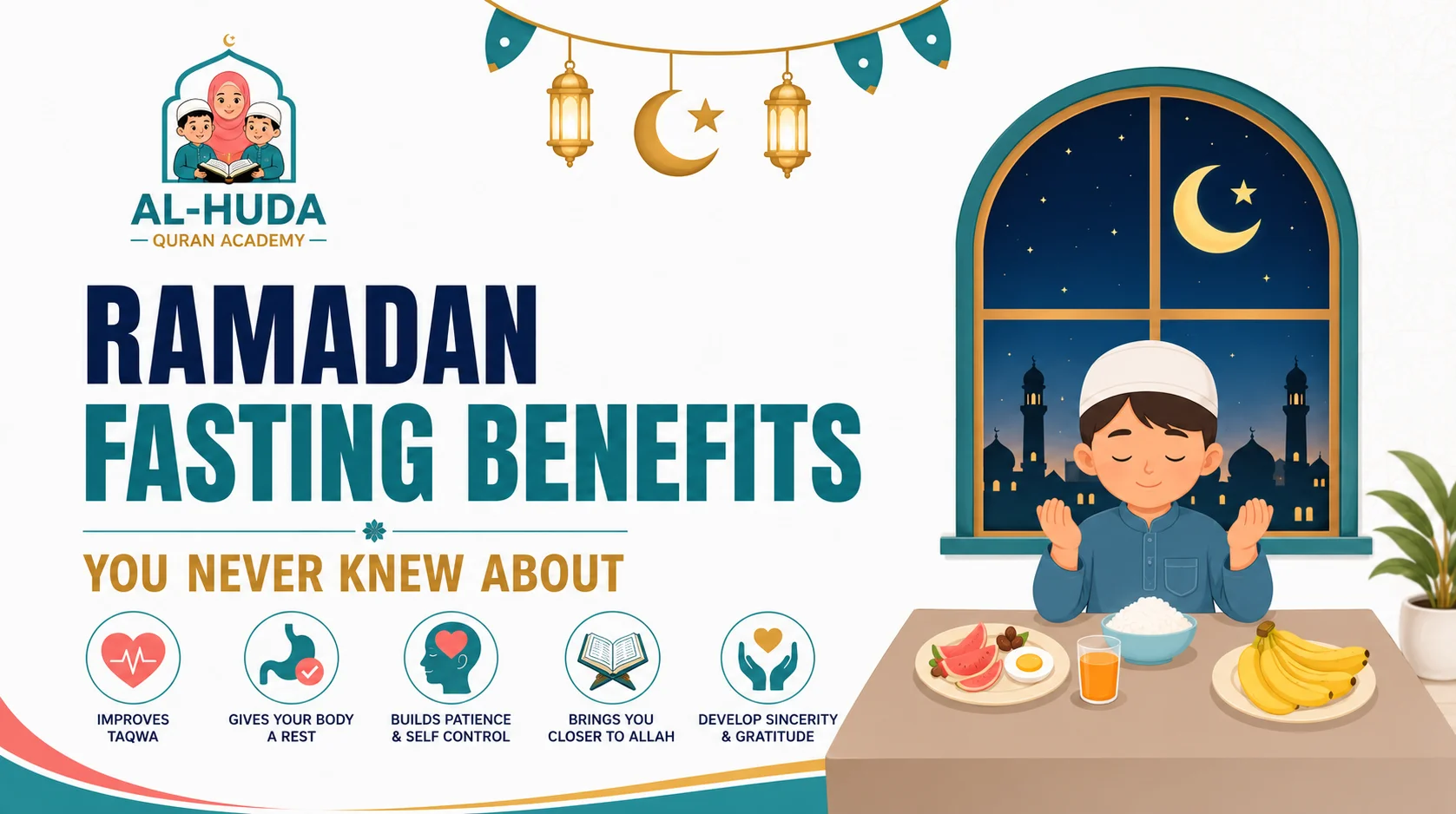
Ramadan is more than just abstaining from food and drink; it’s a holistic journey for the body, mind, and soul. Most people know about the spiritual rewards of fasting, like increased connection with Allah, forgiveness of sins, and self-reflection. But did you know that Ramadan fasting comes with a host of hidden benefits that go far beyond spirituality? From improving physical health to boosting mental clarity, fasting in Ramadan is a practice that nurtures every aspect of your being. Today, we’ll uncover the lesser-known benefits of fasting that might surprise you.
The Spiritual Rewards of Ramadan Fasting
Experience a deeper connection with Allah, heightened mindfulness, and inner peace through devotion, prayer, and reflection during fasting.
Strengthening Your Connection with Allah
Fasting isn’t just about skipping meals; it’s a deeply spiritual act that strengthens your bond with Allah. When you fast, you become more conscious of your actions, words, and thoughts. Every prayer, recitation of the Quran, and act of charity feels more meaningful. This heightened spiritual awareness creates a profound emotional uplift, giving you a sense of inner peace that lasts far beyond Ramadan.
Developing Patience and Self-Discipline
Let’s be honest—fasting is hard at times. Your body craves food and drink, and resisting those natural urges is a powerful exercise in self-control. But here’s the secret: this self-discipline isn’t just for Ramadan. It trains your mind and body to resist harmful habits, control impulses, and develop patience—a skill that will benefit every part of your life, from work to relationships.
Physical Health Benefits You Didn’t Expect
Discover how Ramadan fasting naturally detoxifies the body, boosts metabolism, and improves heart and brain health in surprising ways.
Detoxifying Your Body Naturally
Fasting gives your digestive system a break, allowing your body to cleanse itself naturally. When you abstain from food, your body focuses on removing toxins and repairing cells. Organs like your liver and kidneys get a mini-detox session, which can improve overall health and energy levels. Think of it as hitting the “reset button” for your body every day during Ramadan.
Boosting Your Metabolism and Weight Management
Believe it or not, fasting can help regulate your metabolism. By reducing caloric intake and giving your body periods of rest from digestion, fasting helps balance hormones that control hunger and fat storage. Many people find that they lose weight naturally without extreme dieting. Plus, this intermittent fasting effect promotes better energy use, making your body more efficient at burning calories.
Improved Heart and Brain Health
Skipping meals in a controlled way can reduce cholesterol, lower blood pressure, and improve heart health. The brain also benefits—fasting can enhance cognitive function and increase mental clarity. Some studies suggest that fasting promotes the growth of new neurons, improving memory and focus. Who knew that a spiritual practice could double as a brain booster?
Mental and Emotional Advantages
Ramadan fasting sharpens focus, enhances mindfulness, and promotes emotional balance and inner calm.
Enhancing Mindfulness and Mental Clarity
Fasting sharpens your mind. When you focus on abstaining from food, your awareness naturally extends to other areas of your life. You become more mindful of your thoughts, emotions, and actions. This mental clarity can help you make better decisions, manage stress, and even develop a greater appreciation for the simple joys of life.
Reducing Stress and Promoting Positivity
Surprisingly, fasting can lower stress levels. The discipline involved encourages a calm, meditative mindset. As your body adjusts, hormonal changes can enhance your mood and promote positive thinking. Combine this with spiritual reflection and prayer, and you get a recipe for emotional resilience and inner peace.
Social and Community Benefits
Ramadan fasting fosters empathy, strengthens family bonds, and builds a sense of unity within the community.
Fostering Empathy and Compassion
Ever notice how hunger during fasting makes you more sensitive to those in need? That’s no coincidence. Experiencing hunger firsthand cultivates empathy for the less fortunate, encouraging acts of charity, generosity, and kindness. This is why Ramadan isn’t just personal—it’s a season of social awareness and compassion.
Strengthening Family and Community Bonds
Sharing Iftar with family, friends, and neighbors brings people together in a unique way. Those communal meals and collective prayers foster connection, unity, and a sense of belonging. It’s a reminder that Ramadan is not only a personal journey but also a shared celebration of faith and humanity.
Common Misconceptions About Ramadan Fasting
Busting myths about fasting, revealing that it’s safe, beneficial, and impactful for body, mind, and soul.
Myth: Fasting Is Harmful to Health
Many people think fasting is dangerous. In reality, for healthy adults, fasting is safe and often beneficial. Medical research supports the idea that intermittent fasting, like Ramadan fasting, can improve blood sugar control, support cardiovascular health, and even aid longevity.
Myth: Only Spiritual Benefits Matter
While the spiritual rewards are profound, fasting impacts body, mind, and soul. Ignoring these benefits would be a missed opportunity. From detoxifying your body to improving mental focus, Ramadan fasting is truly a holistic practice.
Tips to Maximize the Benefits of Ramadan Fasting
- Stay Hydrated: Drink plenty of water during non-fasting hours to maintain energy.
- Eat Balanced Meals: Suhoor and Iftar should include proteins, healthy fats, and fiber-rich foods.
- Incorporate Light Exercise: Walking or stretching can boost circulation and energy.
- Avoid Overindulgence: Eating too much at Iftar can counteract fasting benefits.
- Reflect and Pray: Combine physical fasting with spiritual reflection for maximum impact.
Frequently Asked Questions (FAQs)
Fasting from dawn to sunset is sufficient. The benefits come from consistency and mindful practices rather than extreme durations.
Yes, intermittent fasting during Ramadan enhances brain function, improves focus, and promotes emotional balance.
Individuals with diabetes, heart issues, or other chronic conditions should consult a doctor before fasting. Ramadan fasting can be modified safely under guidance.
Experiencing hunger encourages compassion for the less fortunate, while shared Iftar and prayers strengthen family and community ties.
Absolutely! The self-discipline, mindfulness, and healthy habits learned during Ramadan can carry on, benefiting your lifestyle year-round.
Conclusion
Ramadan fasting is more than a religious obligation—it’s a life-enhancing practice. From improving physical health to boosting mental clarity, nurturing emotional resilience, and fostering community bonds, the benefits extend far beyond what most people imagine. By embracing Ramadan fasting with awareness and intention, you can unlock rewards for your body, mind, and soul that last a lifetime.
